
How to Anchor Tents and Balloons at High Altitude Colorado Parties
Why Wind Hits Harder at Colorado Events
Outdoor parties along Colorado’s Front Range face unique wind patterns. Gusts travel quickly across open fields, foothills, and mountain corridors. When they strike a tent wall or balloon installation, the force increases significantly. A tent setup that stays stable at 1,000 feet may shift or lift at 6,000 feet. Understanding these environmental differences helps hosts plan safer layouts and choose anchoring methods that work at altitude.
Choosing Tent Styles and Anchors That Work at Elevation
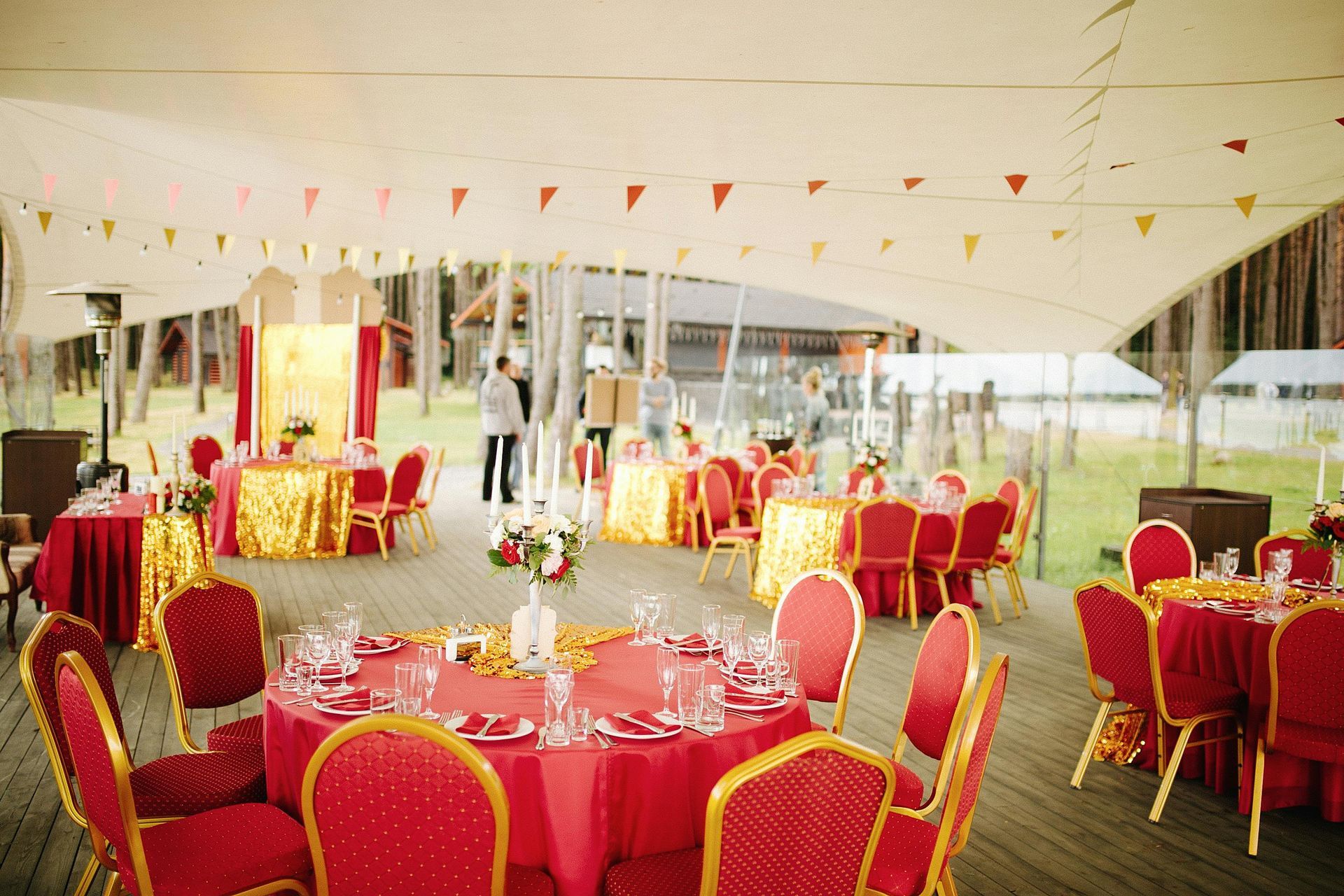
Some tent types naturally perform better in gusty winds. Frame tents offer strong stability because they rely on a metal skeleton instead of center poles. Clear top tents create beautiful views but tend to trap wind, so they are riskier in exposed locations. Anchoring is just as important as the tent style. Rocky or compacted Front Range soil often prevents deep stakes from holding securely, which makes weighted systems the preferred option for many outdoor setups.
Useful anchor options include:
• Water barrels for concrete or asphalt
• Concrete blocks for larger tents or long event durations
• Oversized ground stakes for thick, stable park grass
How Much Weight a Tent Really Needs in Colorado Conditions
Weight requirements rise with elevation, forecasted wind speeds, and tent size. A standard 20 by 20 frame tent typically needs at least two hundred pounds on each leg, though some rental companies recommend closer to three hundred pounds depending on exposure. These guidelines protect guests and prevent dangerous tent lift. Planning proper weight in advance prevents delays during setup and keeps your installation structurally sound throughout the event.
Making Balloon Decor Wind Resistant at 5,000 to 8,000 Feet
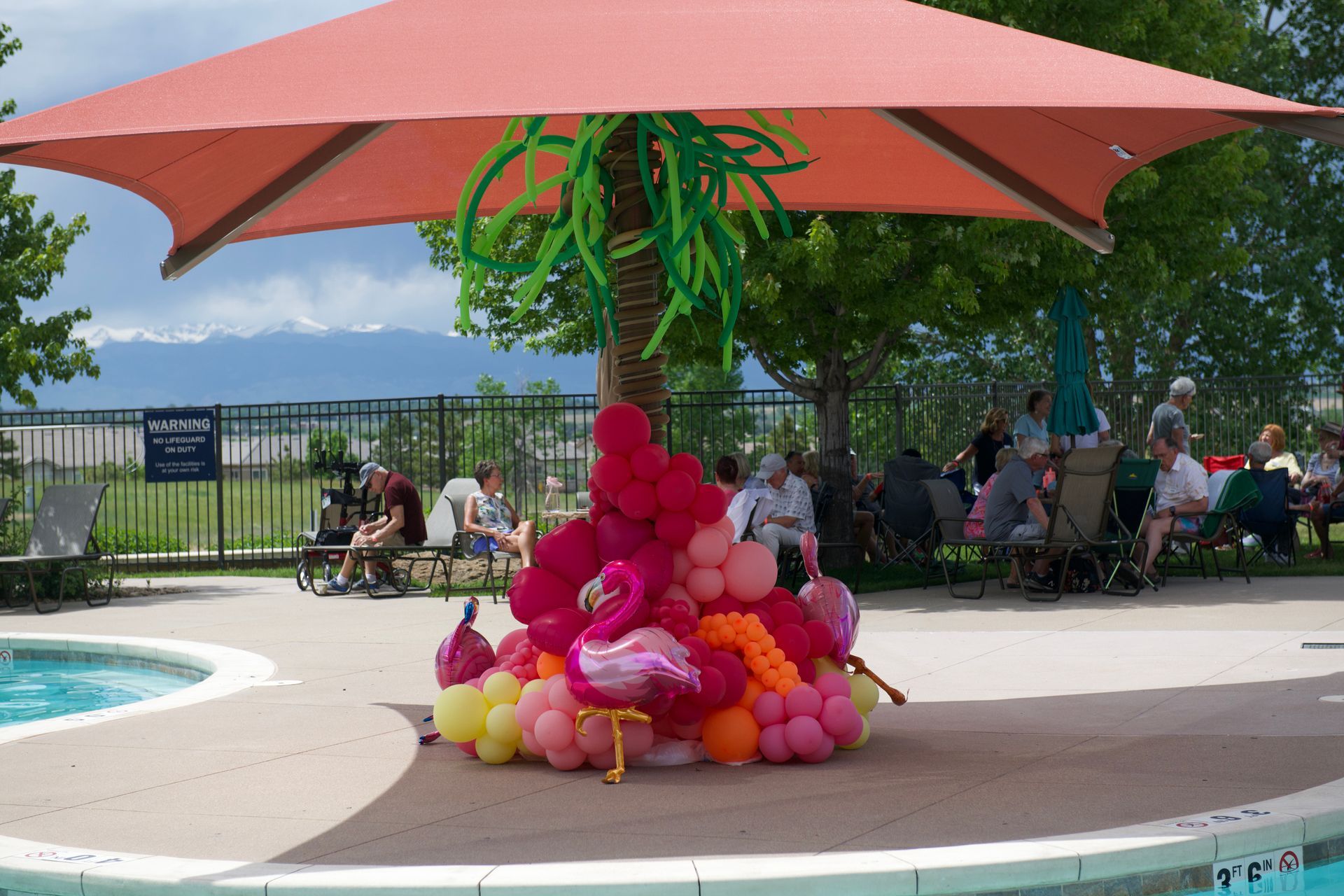
Balloon decor reacts strongly to altitude and wind changes, making proper anchoring crucial. Thicker latex performs better in pressure shifts, and weighted bases keep outdoor displays steady. Balloon designers often use reinforced framing, tie points, and heavier weights to keep decor in place even during breezy periods.
Balloon decor styles that work well outdoors include:
• Ground based
organic garlands secured with weighted bases
• Air filled
balloon columns anchored with sandbags
•
Garlands clipped directly to tent frames for stability
•
Helium bouquets tied to oversized balloon weights
If you want balloon decor designed specifically for Colorado’s high altitude conditions, contact our team for custom outdoor ready designs.
Positioning and Safety Habits That Reduce Wind Impact
Strategic placement makes your tent and decor more stable. Natural wind breaks such as tree lines, fences, buildings, or rock formations reduce direct gust exposure. Setting up in slightly lower areas rather than open ridge lines can also reduce uplift. During installation, secure all tent walls evenly, tighten tension straps, and bring extra balloon weights or clips for reinforcement. Winds commonly increase in the afternoon along the Front Range, so plan to recheck anchors during the event.
Helpful safety habits include:
• Confirm anchors before adding decor
• Monitor hourly wind conditions
• Re-tighten straps and lines if gusts increase
Knowing When to Adjust, Reinforce, or Relocate Decor
Some weather conditions exceed what any tent or balloon installation can safely handle. If steady winds reach around thirty miles per hour or gusts exceed tent ratings, crews may recommend lowering the tent until conditions improve. Balloon decor may need to be relocated indoors or reinforced with additional weights. Preparing a backup shelter option helps protect your investment and keeps guests comfortable.
How to secure a party tent in high winds?
Use heavy anchors such as water barrels or concrete blocks. Deep stakes work only in firm soil and are less reliable in rocky or shallow ground
How much weight is needed to hold down a 20 by 20 tent?
Plan for at least two hundred pounds per leg, with higher requirements advised for gusty conditions or exposed locations.
How big of a tent do you need for 200 guests?
Most seated dinners for two hundred guests require a tent around forty by one hundred feet. Adjustments may be needed for buffet tables, dance floors, or staging.
How much does it cost to rent a tent for 200 people?
Colorado hosts typically spend between two thousand and six thousand dollars depending on tent style, anchoring needs, accessories, and labor.
How do I protect my tent in high winds?
Choose a protected location, use correct anchoring, secure all walls, and monitor changing weather so adjustments can be made before gusts intensify.